
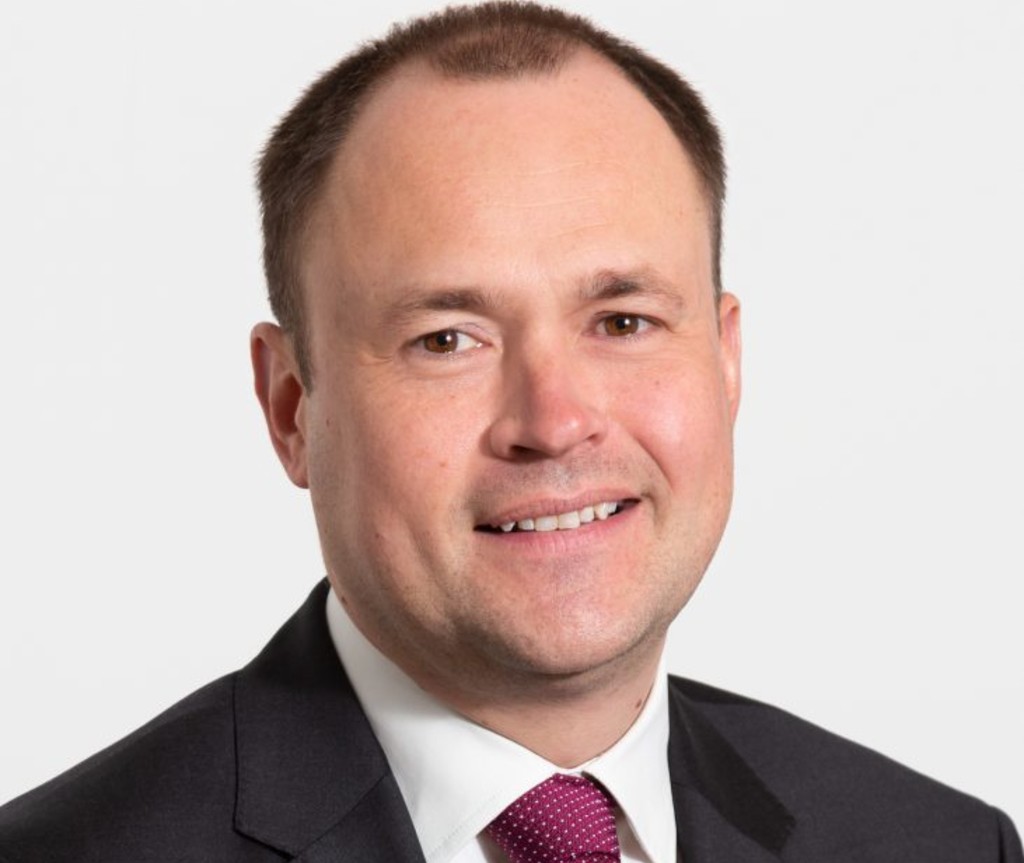
David Hare, chief executive of the Independent Healthcare Providers Network, reports on the findings of its Going Private 2025 report, which shows rising demand for private treatment across regions, age groups and social grades, with record numbers now using insurance to fund care
Barely a week goes by without another headline showing ‘record numbers’ of people using private healthcare, with seemingly everyone knowing someone who has ‘gone private’. However, while there’s much debate in the media around whether the growing use of private healthcare is ‘good’ or ‘bad’, too often the views of the public and those who actually use private healthcare can go unheard.
We were, therefore, delighted to recently publish our latest Going Private 2025 report, kindly supported by Burges Salmon with polling conducted by Public First consultancy. This research, now in its third year, is seen as the authoritative take on the public’s attitudes around private healthcare – what people think about it, what services they use and why, and what they understand about paying for treatment.
As perhaps you’d expect in a growing market, the research paints a very positive picture in terms of increasing openness across all parts of society to using private healthcare. Indeed more than seven in ten people now say they would consider ‘going private’ – a jump of 10% in just the last two years. Moreover, while some still perceive private healthcare as the preserve of the affluent home counties, willingness to pay for treatment spans all regions – from 64% of people in Yorkshire and Humberside to 76% in the West Midlands – and there is broad support across different social grades. While unsurprisingly 82% of people in the AB grades (managerial) would consider using private healthcare, our research found 70% of C2 (skilled manual occupations) and the 59% of DE (unskilled manual occupations) grades would equally be open to using private healthcare – a jump of 6% and 10% respectively in the last two years, indicating that paying for treatment is becoming more accessible than ever.
One of the key findings from our Going Private reports over the last two years – and which has very much dominated the media narrative – is the popularity of private care in the under 30s age group, who are keen to access the kind of convenient, tailor-made services that they are used to in other areas of their life. However, this year’s research found this enthusiasm for paying for treatment is now spreading to older groups. Indeed, the 35-44 year old cohort are now the most likely to say they will use private healthcare, with 49% of expecting to use private healthcare within the next 12 months (a jump of ten percentage points in just the last year).
And looking at the motivators for using private healthcare, these emerging demographic trends make sense. While the challenges in accessing NHS appointments continues to be a key motivator for going private (cited by almost half those who have paid for treatment), this is by no means the only factor. Our research found that one in four people went private because they have PMI, with the same proportion citing a desire for more personalised care – suggesting that flexibility and convenience are becoming just as important as fast access. And for busy working professionals whose time is precious, this reflects not only the greater value younger working people are placing on their health and wellbeing, but also the ability of private healthcare providers to deliver the more convenient, high quality, and personalised care this group is demanding.
Linked to this is a strong call for employers to play a more active role in healthcare provision. Almost two-thirds of people believe all workplaces should offer private healthcare as part of their benefits package, and nearly seven in ten 18–24-year-olds say they would be more likely to apply for a job if it included private health insurance.
This is borne out by the numbers, which show the proportion of 18-24 year olds using insurance to pay for private treatment increased from 31% in 2023 to 55% in 2025. Indeed, our polling found almost six in ten people who have used private healthcare have done so using private medical insurance – either a private policy or one accessed via their employer. This is a rise from two years ago when just under half (49%) of people paid for treatment using insurance, and unsurprising given numbers of people now covered by insurance has reached highs not seen since 2008.
For the membership body which represents private healthcare providers, it was particularly pleasing to see in our research the overwhelmingly positive experiences people have had of using private healthcare. Overall, almost nine in ten people who have paid for treatment – whether through insurance or using their savings – say it was value for money, with more than 90% reporting satisfaction with all aspects of their care including the quality, ease of booking and timeliness of their treatment – a real testament to the fantastic service that our members provide day in day out all across the country.
As the third year that we’ve undertaken this survey, our Going Private 2025 report has undoubtedly helped deepen our understanding here at IHPN about what is driving the market for private healthcare, and we hope it proves a helpful resource for Healthcare Markets readers in understanding more about consumer trends in this area. More than anything, the growing openness to paying for private treatment – across age groups, regions and demographics – combined with positive patient experiences, points to the sector’s increasing role within the UK health system. It is a trend unlikely to reverse in the coming years.
 ©2026 All rights reserved LaingBuisson