
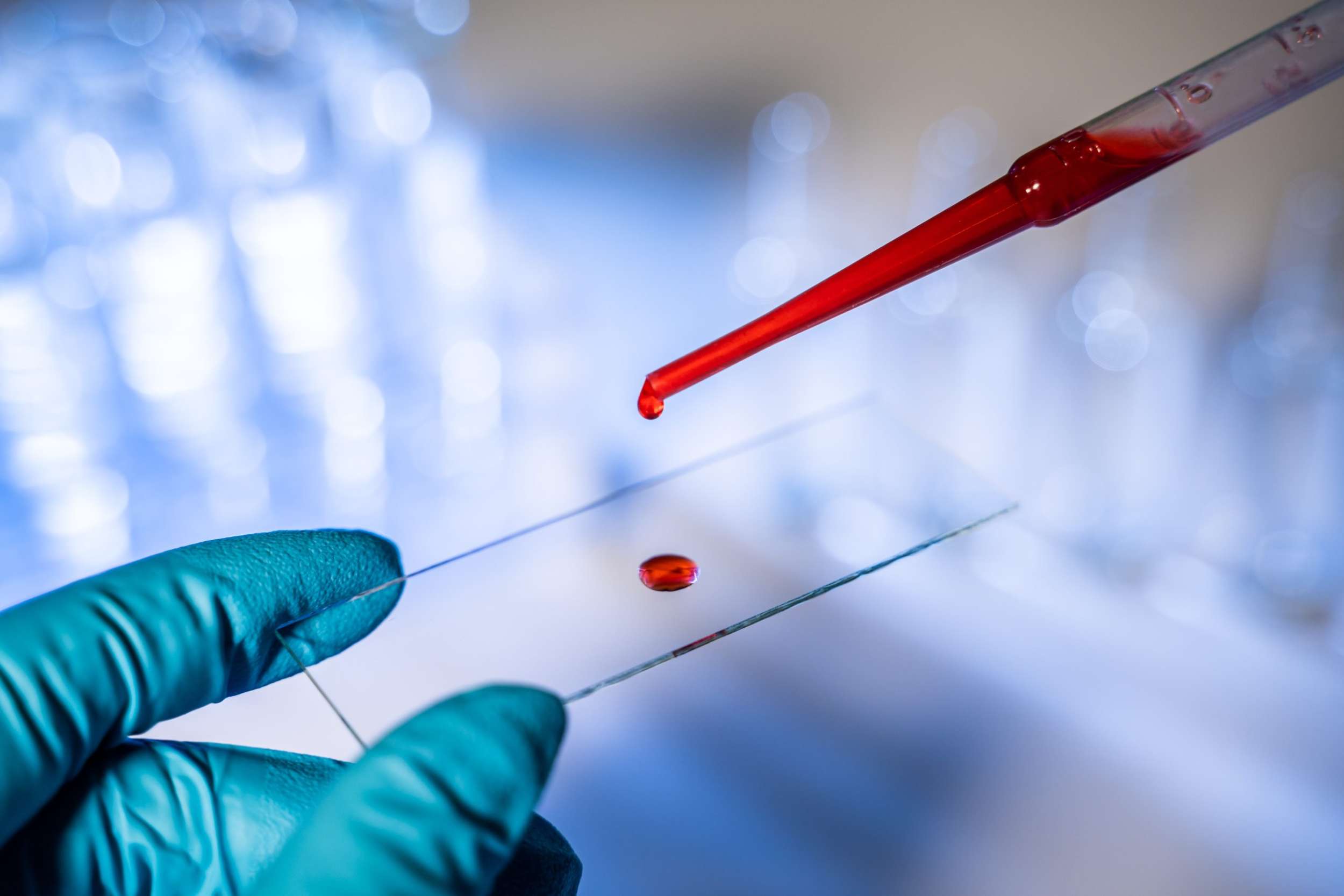
A coalition of industry and professional bodies has urged the government and NHS leaders to increase funding for in vitro diagnostics (IVDs).
The report, The Power of Testing, was developed by Roche Diagnostics in partnership with the Institute of Biomedical Science (IBMS) and supported by the Royal College of Pathologists and the Association for Laboratory Medicine. It says that while IVDs are used to inform more than 70% of clinical decisions, they receive less than 1% of NHS planning and funding. Given the part IVDs can play in getting the right care to patients efficiently, it argues that with better funding, they could be key to unlocking the 10 Year Plan’s ambition to shift healthcare to a more preventative, personalised, and community-based model.
The authors said greater investment in IVDs, alongside the expertise of the biomedical workforce, could enable earlier detection of disease, improve patient outcomes, and boost efficiency across the health service. They also highlighted the potential economic benefits, with more people able to remain in work through faster treatment and recovery.
The report calls on policymakers to mandate equitable funding for diagnostics, with a clear roadmap for scaling up provision, and to invest in the biomedical workforce by supporting training, advanced roles and leadership development. It also recommends drawing on existing infrastructure and expertise to accelerate adoption of diagnostic innovation, and raising awareness of the role of non-imaging diagnostics through organisations such as the IBMS.
Examples cited include the use of the Sterilab Combi Antigen Lateral Flow Test for Flu A, Flu B, RSV and Covid in Yorkshire and the Humber, which enabled rapid clinical intervention for infection prevention and bed management teams. Another case study highlighted NT-proBNP testing in heart health screening programmes, which has cut waiting times for heart failure diagnosis from days to around 60 minutes.
Geoff Twist, managing director of Roche Diagnostics UK and Ireland, said: ‘The report’s findings are clear: despite the huge value of IVDs, they remain overlooked as vital tools to tackle many of the NHS’s pressing challenges. Embracing IVDs as tools to detect disease earlier and support targeted treatments will lead to improved health outcomes, faster recoveries, and enable more people to engage in meaningful work – strengthening the economy while reducing healthcare and welfare costs. The government has outlined its vision for a healthcare system that is preventative, personalised, and community-focused. Now is the time to deliver on this ambition, with stronger investment and prioritisation of IVDs to fully harness their transformative health and economic benefits for the UK.’
David Wells, chief executive of the Institute of Biomedical Science, said: ‘This report highlights the urgent need to invest in IVDs and the professionals who deliver them. Biomedical scientists are central to turning diagnostic innovation into safe, effective care – improving outcomes, supporting prevention, and reducing pressure across the NHS. Prioritising both IVD technologies and the biomedical workforce is essential to achieving a more resilient, efficient, and equitable health system.’
 ©2026 All rights reserved LaingBuisson


.)