
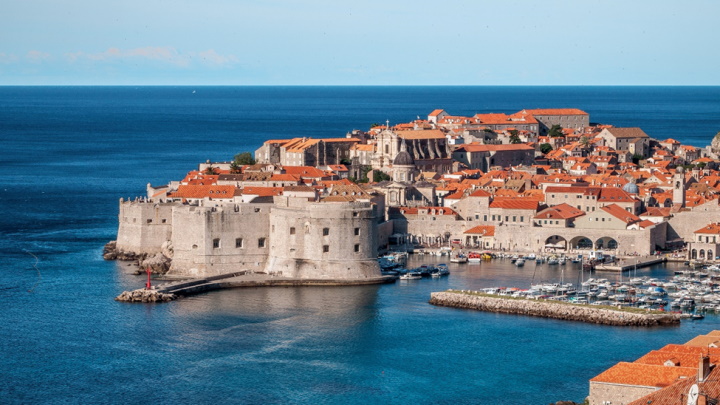
The Medical Tourism Task Force at the Association of Croatian American Professionals (ACAP) is planning to launch an evidence-based integrated wellness tourism pilot with partners in Croatia. Their aim is to help establish Croatia as a go-to destination for health and wellness and fuel the tourism industry’s recovery in the post-COVID era, by specifically targeting the North American Croatian community.
Photo by Ivan Ivankovic on Unsplash
In 2016, ACAP formed the Medical Tourism Task Force, whose primary mission was to help Croatia develop and foster the growing industry. Dr. Steven Pavletic, the co-Chair of the Task Force and founding member of ACAP, states, “We are fortunate to have a group of diverse and experienced professionals that recognise Croatia’s potential for becoming a premier international destination for health and wellness. Over the past three years, members of the Task Force have donated time, energy, and resources to fulfill this mission of expanding the health tourism industry in Croatia. Given the tradition of high-quality medical care, competitive pricing, and Croatia’s unique beauty, Croatia is in a strong position to rapidly grow the medical tourism industry.”
Members of the Task Force, comprising individuals from various professions, including business and government leaders, lawyers, doctors, allied health care personnel, scientists, academics, and wellness experts, have worked together to develop strategies and define specific goals.
In September 2019, ACAP commissioned an international consulting academic project with the Tuck School of Business, Dartmouth College, USA with the support of a host of government and private sector partners in Croatia. The team visited Dubrovnik, Zagreb, Rijeka, Vukovar, and other cities, conducting qualitative interviews with over 100 professionals from public and private medical clinics, wellness centres, hotels, and health tourism startups.
They identified important questions for ACAP and partners in Croatia to answer about medical, technology, and hospitality infrastructure needed for a successful pilot. Based on their findings, the report identified the North American Croatian community as a target market and recommended three product offerings to help create positive lifestyle interventions.
Given the wide breadth of expertise on the Task Force, the members decided to design and implement a medical and wellness pilot project that would serve as a foundation for future projects in Croatia. The product offerings incorporate the Task Force’s knowledge and expertise in medicine and wellness, as well as their experience of working with North American clients. The program provides evidence-based medicine lifestyle recommendations, wellness offerings, and the opportunity for clients to connect to their Croatian roots and the natural resources that Croatia has to offer.
Croatia has a long-standing history as a destination for high-quality medical wellness services, and the pilot seeks to leverage this strength. Pre-COVID, in June 2019, the head of the Croatian Chamber of Commerce Tourism Sector claimed Croatia’s health tourism industry was estimated to be €500 million and projected to grow. Currently, successful offerings include dentistry, cosmetic surgery, ophthalmology, and wellness programs. Croatia’s accession to the European Union in 2013 has opened new opportunities to rethink national medical tourism strategies and use newly opened financial stimuli to boost sustainable economic growth.
Amid this global pandemic, the Task Force sees its goals, including the implementation of the pilot program in Croatia, as being more important than ever. It highlights the importance of maintaining both physical and mental health and the need to make medical wellness a global priority. Underlying medical conditions such as obesity, diabetes, and heart and lung disease have been associated with severe illness, including death, for individuals infected with the SARS-CoV-2 virus.
Dr. Jeana Havidich, the co-Chair of the Medical Task Force, states, “We have known for decades that preventative medicine, lifestyle modification, and wellness programs improve our quality of life and longevity, but unfortunately, we have not embraced these concepts. This pandemic has highlighted the importance of self-care now more than ever. We are excited about the pilot program and believe this will serve as a foundation for future offerings designed for special populations such as cancer survivors and those struggling with chronic disease.”
The Integrated Medical and Wellness pilot program is scheduled to launch in Croatia in the autumn of 2022.




 ©2026 All rights reserved LaingBuisson