
The uptake of medical travel will be slow and sluggish to begin with but will improve in direct proportion to the ease of travel between countries, says Zahid Hamid, Director of medical travel facilitator Right Choice Home & Away. For now and in the foreseeable future, he argues it is the ‘New and Now Normals’ that must continue to define the travel and care pathways.
Eighteen months into the COVID-19 environment, we are better informed of the conditions associated with travel between countries and the revival of medical travel is nearer, even if not around the corner. It is important for the stakeholders to chart out the travel and care pathways that are now altered because of the caution and conditions associated with travel between the countries. We cannot fall foul of regulations that govern the containment of the virus and spread of infection between countries. We will have to adapt to their dictates to effect the resumption of medical travel.
There is a need to not only decipher the environment and understand its implications, but also to define a checklist that facilitators and international patient departments need to follow in order to ensure that client and staff safety is assured at all times.
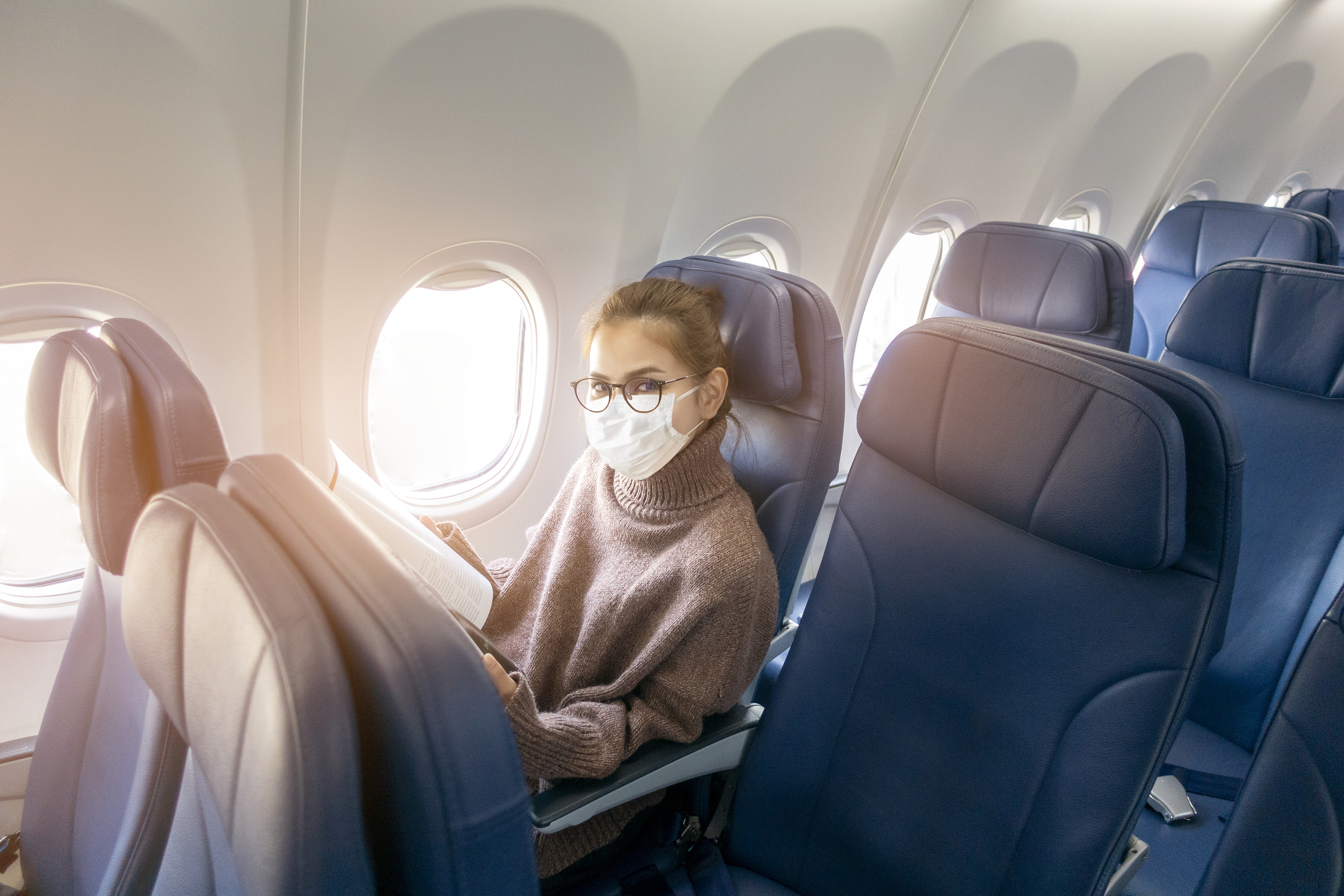
What is now apparent is that the face mask is now standard clothing, the hand sanitiser a pocket item, regular hand washing a habit, social distancing a conscious consideration and not shaking hands an acceptable routine. All of these define the ‘New Normal’. These acquired habits are here to stay and their neglect will only be viewed with disdain.
More specific to the revival of medical tourism is that the ‘Now Normal’ has at least two dimensions; one that relates to the country of origin of the medical traveller and the other their destination country. Each of these countries will have its specific COVID-19 environment, regulations governing social conduct, testing and isolation regimes as well as air traffic permissions and exclusions. These conditions will define the degree of permissibility for medical travel and the extent of divergence from the normal travel and care pathway and resultant dislocation and cost in time and money.
Once travel is permitted and medical travellers start to find their feet, they may face a different reality at their once-familiar destination. The ‘Now Normal Here’ and the ‘Now Normal There’, referring to the home country and the destination country respectively, will reflect the different conditions that exist at each location at that time. These conditions require consideration of the following aspects:
- Travel corridors: Are tourists welcome from the home country to the destination country?
- Testing: Is there a requirement of a negative Covid result prior to travel? Is lateral flow testing acceptable or is PCR a must?
- Vaccination: Does vaccination provide a measure of relaxation of rules upon arrival?
- Self-isolation/quarantine: Is there a need to go into self-isolation and have a further test on arrival at the destination to cover the period of exposure during travel?
- Treatment environment: Is the hospital COVID-19 free and does it permit companions to remain at the hospital? If so, with what requirements?
- Hospitality: Are there COVID-19 free hotels?
- Transfers: Are patient transfers between hospital, hotel and the airport consistent with the requirements of self-isolation?
- Curfew: Are there restrictions on movement at specific areas or hours at the destination city?
- Tracking and tracing: Does a positive test at a destination country or upon return to home country result in quarantine, for how long and what are the costs?
- Return: Is a negative result required upon return to the home country? Are there requirements for testing and self-isolation upon return to the home country and what are the related costs?
The very basic question of whether travel is permissible, and the conditions and costs associated with it, will define the uptake of post COVID-19 medical travel. However, we are still far from assured of having seen the last peak in infection rates, or a stable environment secured by the rollout of vaccinations, which have yet to prove their efficiency or efficacy.
COVID-19 passports may be the currency for travel once there is credible data to back up how long vaccines work for and how soon the next booster shot will be needed. There are a number of vaccines and the performance of each will determine the currency, validity and admissibility of the COVID-19 passport that it delivers.
Is the ‘Green, Amber and Red’ list criteria introduced by the UK Government the start of a ‘COVID-19 Visa’ that permits, restricts or forbids travel between countries? Should it be influenced by political expedience as was in evidence over the UK’s placement of India on the Red list on 23 April, only after the UK Prime Minister’s visit was cancelled earlier that morning, even though neighbouring Bangladesh and Pakistan were listed as early as 9 April? This has resulted in the introduction and rapid rise of the Indian variant in Britain and the placement of the UK on the banned list by Germany because of its prevalence. Political expedience will have to take a bow to considerations of safety first and, in upholding the ethics of medical travel, this will be a lesson well learnt.
It is safe to predict that the uptake will be slow and sluggish to begin with but will improve in direct proportion to the ease of travel between countries. For now, and in the foreseeable future, it is the ‘New and Now Normals’ that must continue to define the travel and care pathways.
About the author
Zahid Hamid is the Director of Right Choice Home & Away, a UK inbound and intrabound in the UK, and outbound health and wellness provider that caters for quality cosmetic surgery, dental treatment and weight loss surgery at affordable prices, allowing more people to exercise their lifestyle choices.





 ©2026 All rights reserved LaingBuisson