
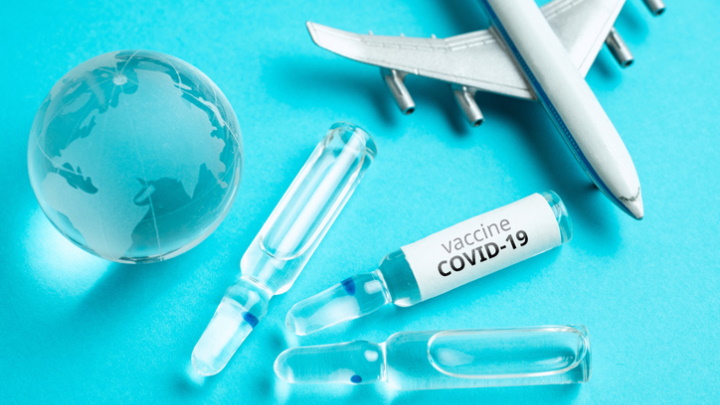
Despite concerns that vaccinated people may still spread COVID-19, several medical and heath tourism destinations plan to or are considering opening to vaccinated travellers. Ian Youngman looks at these countries, and the risks and opportunities for medical tourism.
Many countries are desperate to reopen their borders for tourists and start rebuilding economies that have been devastated by the pandemic.
With vaccination programmes beginning worldwide, various countries are opening their borders for tourists who have been vaccinated. Some are welcoming vaccinated tourists without any entry requirements such as testing or quarantine, others are taking a more cautious route.
Vaccines: known unknowns
Being vaccinated for COVID-19 does provide protection for the traveller, but immunologists are currently unsure if those who have been inoculated are still able to transmit the virus to those they meet. The results of a UK study on the Oxford vaccine which has not yet been formally published, suggest that the vaccine may have a “substantial” effect on transmission of the virus.
Globally there are now several vaccines but they differ in how they are stored, how they are used, the success ratio, drawbacks, efficiency and ‘trustability’. There still several aspects to these vaccines that remain unknown risks to travel, including:
- How long does the vaccine last?
We do not yet know how long protection will last, because the vaccines haven’t been around for long enough. The length of protection may vary between different vaccines. It is likely to be at least several months, but it may be that repeat vaccinations are needed each year or every few years. Researchers are studying this closely. Health experts suggest that flu vaccinations should be topped up annually while other vaccinations regularly taken by traveller should be redone every three years.
- How quickly does the vaccine work?
Generally, protection from the virus starts after 12-14 days. This is because the immune system needs to generate a response, and people’s immune systems can vary. There remains a serious danger of allowing in tourists/medical tourists only a few days after their second dose.
- Can tourists pass on the virus to others if they have had the vaccine?
We don’t yet know, but it may be possible. The vaccines work by causing the body to create a rapid immune response to the virus so it doesn’t make people ill, but may not stop a person from passing the virus on.
- Are the coronavirus vaccines safe?
Vaccines are only approved for use after being thoroughly tested on tens of thousands of people. In order to approve a vaccine, experts look carefully at all the evidence about the vaccine and make sure that it meets strict standards of safety, quality and effectiveness. But standards of approval vary from country to country with some fast tracking vaccines more quickly than any normal drug or vaccine. There are risks that some vaccines in some countries have not been as fully tested as normal, due to governmental pressure. Countries must also not make the mistake of assuming that all vaccines are alike, as even if they are all as safe, some may be administered in conditions that are far from ideal.
Which countries are welcoming vaccinated tourists?
Georgia
Georgia was the first country to allow vaccinated tourists to enter with no testing, quarantines, or other restrictions. Travellers must have received both doses of an accepted COVID-19 vaccine and can provide their certificate of proof.
Cyprus
Inbound travellers who have been vaccinated for COVID-19 will be exempt from quarantine and testing from March 1. Cyprus is planning to reopen for vaccinated travellers without restrictions.
Iceland
All travellers in the EU and approved third party countries who have been vaccinated against COVID-19 will have restriction-free entry beginning from May 1. Those who present an international certificate of vaccination will not need to undergo testing or quarantine measures.
Lebanon
Tourists who present proof of a vaccination certificate will not need to quarantine upon arrival. Vaccinated travellers must still present a negative COVID-19 test no older than 96 hours before their flight to Lebanon.
Poland
All tourists from approved countries who have been vaccinated for COVID-19 are exempt from the mandatory 10 day quarantine. Vaccinated travellers need to present proof of an international certificate of vaccine.
Romania
Romania has removed the quarantine period for vaccinated travellers, but only from within the EU. Travellers must wait a minimum of 10 days after the second dose before travelling
Seychelles
The Seychelles has opened for vaccinated tourists without having to quarantine for 10 days. They must wait a minimum of 14 days before arriving in the Seychelles and will still need to provide proof of a negative COVID-19 PCR test no older then 72 hours from arrival.
Singapore
Singapore is considering relaxing curbs for vaccinated travellers but is not yet convinced on how safe this is for citizens.
Thailand
Thailand is considering allowing vaccinated travellers to skip the mandatory quarantine. Under the proposed plan, named “Welcome Back to Thailand Again”, the kingdom hopes to see travellers return by the third quarter of this year. Discussions are advanced with China on allowing vaccinated tourists and medical tourists to bypass test and quarantine rules. Travellers will need to present proof of COVID-19 vaccinations (both doses) and the usual visa requirements. If the plan succeeds, Thailand could be the first Asian country to fully reopen tourism. Thai authorities are interested in immunity passports or vaccine passports as part of the travel documents.
Gambling with the future?
Millions of vaccinated people soon, but even in rich countries it will take a year or more to vaccinate most of the population. There could also be substantial global number who may not want or be able to afford the vaccine.
Governments have to balance the economy and tourism/ medical tourism against health risks to their citizens. Over recent months we have seen governments make mistakes, including some taking significant risks to keep tourism open.
The catastrophe of finding out months later that vaccinated people are not fully protected, or are carriers, or their protection expires after months could be massive. Vaccinated medical travellers could take the pandemic into countries that either mostly escaped it, or have recovered.
But the economic risk of doing nothing is also a disaster.
What do you think?
Are vaccinations good news for medical travel, or too high a risk right now to plan a recovery around?






 ©2026 All rights reserved LaingBuisson