
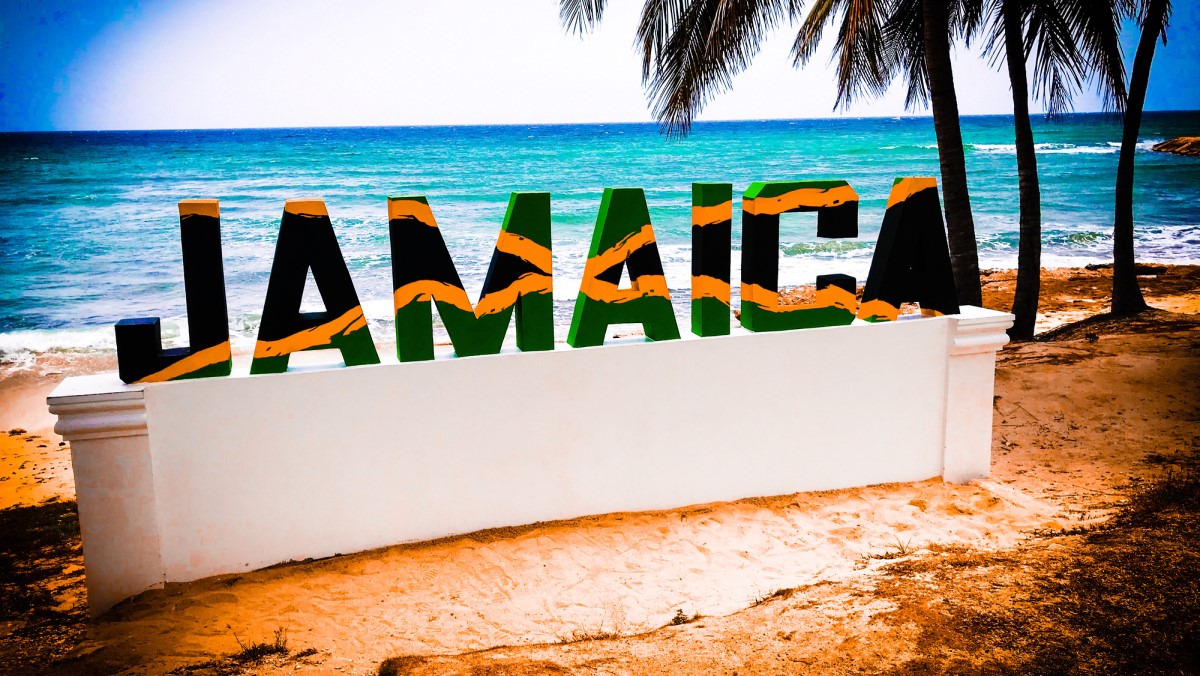
The Government of Jamaica is still hoping that foreign investors will provide the infrastructure, money and impetus to build inbound medical travel to the country. Ian Youngman analyses progress to date and remains unconvinced.
IMTJ has been reporting for more than 10 years on Jamaica’s medical tourism potential. The political talk has not changed, but the infrastructure is still to be built.
Some local surgeons say it will be difficult for Jamaica to build a medical travel sector which is globally price competitive, as the costs for medical supplies remain extremely high, compared to other countries already in the business. Many surgeons, for example, do not have their own private operating facilities so must factor in the rental and other associated costs for procedures.
One area often identified as having potential is eye care, such as cataract removal and procedures. Jamaica has qualified ophthalmologists, but local eye surgeons state that the country must move quickly to fast-track the mechanisms needed to satisfy international best practices, acquire advanced surgical and diagnostic eye care technologies, trade in old equipment, and create a larger number of highly equipped facilities to better serve the island.
Weight-loss procedures are high on the agenda for medical travellers and, while Jamaica pioneered the first laparoscopic surgical procedure in the region, the country currently lacks adequate local-trained personnel.
In spite of lack of progress, the Government’s agency responsible for trade and investment, Jampro, remains optimistic and is continuing with its decade-long strategy of seeking foreign investors.
In May, it hosted a webinar under the theme ‘Medical Tourism: The Sleeping Giant’ to showcase the benefits of establishing a medical tourism industry in Jamaica. It is also expecting new overseas investments in medical projects for Portland, St Andrew and St James, which will seek to pursue the USA market.
Jampro anticipates the first major healthcare project to be developed will be the Grande Ridge Medical City in Montego Bay, by Bioprist’s founder Dr Guna Muppuri. This US$315-million proposed investment, if realised, is a 65-acre compound that will incorporate a certified hospital with 300 beds, a college of medicine, a 120-room student living facility, offices, banks, retail and commercial warehousing, business process outsourcing clusters, villas, and apartments. This proposal has planning and financial problems that may stop it.
Most existing medical tourists are overseas Jamaicans who want to come home and save money on cosmetic surgical procedures. 40% of overseas patients at ProSurgiCare Services are Jamaicans.
There remains, however, a lack of proactive speed in government policy or any real focus for this plan to succeed. To take advantage of this opportunity, decisions must begin with the removal of all customs duties on medical equipment. With rapid advances in medical technology, diagnostic equipment becomes obsolete very fast and imposing customs duties on medical equipment is counter-productive. Increasing capital costs causes doctors to charge higher fees to their patients. This in turn makes costs excessively prohibitive to many Jamaican citizens. Many Jamaican medical professions also tend to leave the country because of frustrating working conditions.
Other countries that talk up the potential but fail to have a proper strategy to encourage and enable medical tourism should take note. Jamaica might still be talking up the potential over the next decade.





 ©2026 All rights reserved LaingBuisson