As Harley Street’s international patient market faces increasing competition from old rivals and new challengers, The Howard de Walden

Estate has embarked on a strategy of investment and marketing which it says could help make the capital the world’s number one medical tourism destination
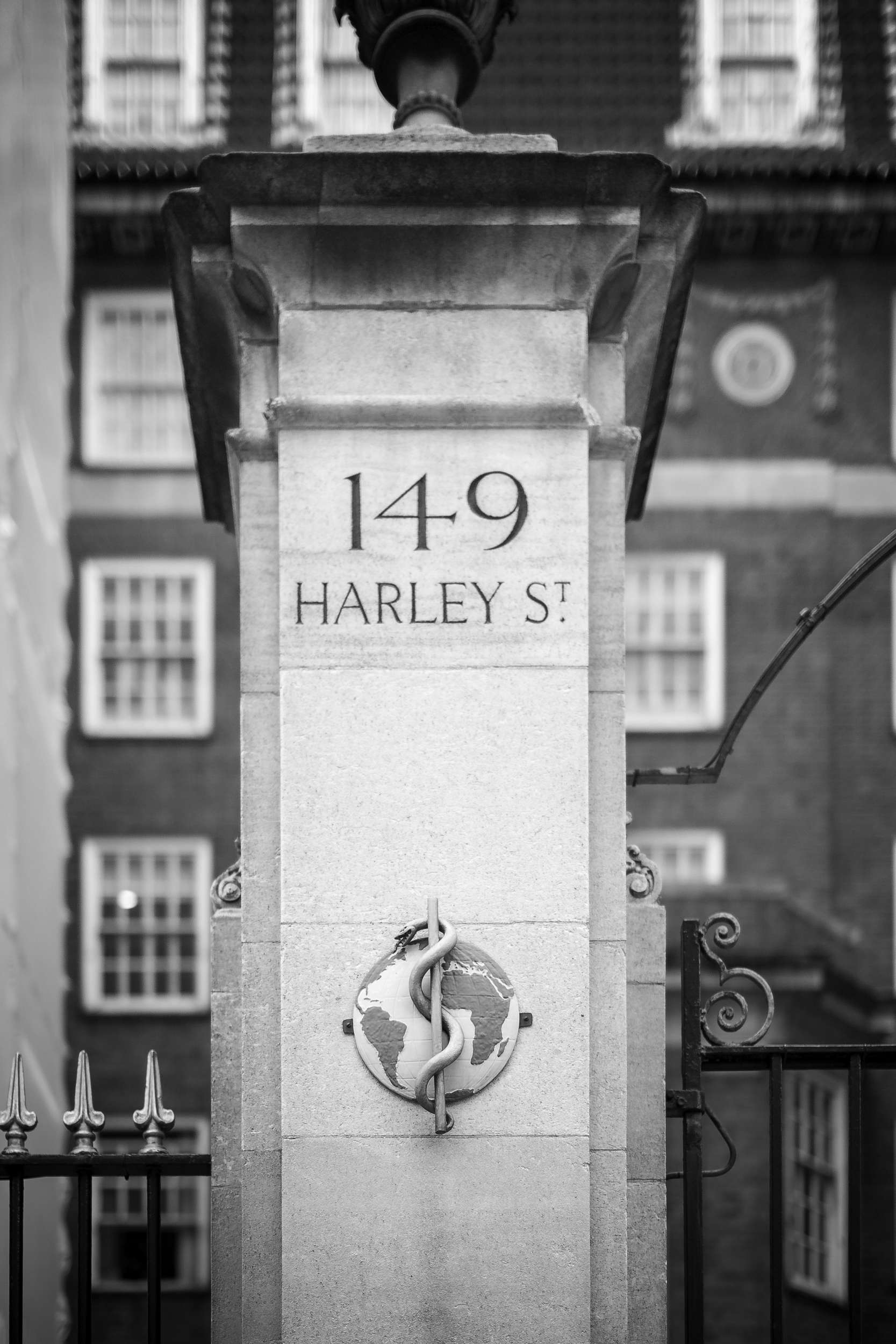
Around 5,000 practitioners operating in over 250 specialties are accommodated in the Harley Street Medical Area; many of them specialising in niche areas of medicine. This high concentration along with access to advanced technology and treatments has long attracted international patients to the district.
Over the years, however, central London hospitals such as HCA and The Bupa Cromwell have reported a slowdown in the flow of international patients. The fall in the price of oil and subsequent squeeze on Gulf state economies, coupled with intense marketing activity by the US and Germany as well as emerging economies such as Malaysia and Thailand, has led to fierce competition for overseas patients.
Despite its famous name, the Harley Street Medical Area only commands a small slice of the international private patient market, estimated to be worth £100bn a year.
Over the years, various marketeers have seen the brand potential, but initiatives aimed at encouraging private hospitals and clinics in central London to work together to promote the ‘Harley Street’ brand have failed to gain real traction – until recently. Now, The Howard de Walden Estate, which owns and leases most of the medical properties in the quarter mile which makes up the Harley Street Medical Area, has embarked on a strategy to develop and promote the district as a world class centre for medical excellence.
Andrew Hynard, who was appointed CEO of the Estate last autumn, believes London and the UK could become the number one global medical tourism destination in the coming years.
‘Patients from across the world come to us seeking out the best medical treatments because they know the clinicians working here are at the forefront of their fields and deliver outstanding patient care,’ he said. ‘At The Howard de Walden Estate, we are supporting our tenants in the Harley Street Medical Area to attract global patients by providing the very best facilities and amenities in the wider community of Marylebone Village and helping drive London towards being the leading global health destination of choice.’
Discrete transformation
Indeed, the Harley Street Medical Area has already been undergoing a quiet transformation as The Howard de Walden, which owns the majority of buildings within 92 acres of London’s Marylebone district, applies lessons learned from the overhaul of its retail area.
The Estate’s strategy over the last 20 years has been to carefully select retailers based on quality, diversity and difference and, where possible, support them by expanding the units without losing the individuality of their original Victorian and Edwardian exteriors. It is now transferring this approach to the medical district, where it has been proactive in identifying new specialisms and searching out the most respected clinicians in those fields, worldwide. As in retail, it is also investing heavily in its Estate to encourage new, high quality operators to enter the market. Optegra, Isokinetic London, The Royal Brompton and Germany’s Schoen Clinic are among a new generation of ‘super-specialty’ healthcare providers to set up Harley Street Medical Area practices in recent years and with its £7-10m investment in Advanced Oncotherapy’s new cancer clinic, the Estate is building the world’s first centre for next generation proton beam therapy.
Isokinetic London managing director Michael Davison said: ‘We were attracted to the Harley Street Area originally five years ago based upon the vision of Simon Baynham, The Howard de Walden Estate’s property director, for the area to become a global destination for healthcare. They knew they needed to bring in some new international ‘blood’ and also to bring together the many world class specialists, to offer a value-driven and compelling offering to the market. Marylebone Village already offered high class shopping, dining, hotel and residential accommodation, and the repositioning of the medical, health and wellbeing offering was something we wanted to be part of. In these past five years in the newly branded Harley Street Medical Area, we have been supported heavily by The Howard de Walden Estate in the promotion of innovation and quality of services, along with a deep encouragement to share knowledge and build an integrated healthcare offering with our neighbours and colleagues. We will win for our patients by sharing and by collaboration. All focused on being seen as the world’s largest hospital. In this time we have grown from zero patients to treating around 1,500 patients per year.’
A big ‘ecosystem’
Lisa Stone, marketing manager for the Harley Street Medical Area at The Howard de Walden Estate explained: ‘For us it’s one big ecosystem. We have the hospitals and clinics and the Village too so if a patient comes over they are probably staying in local hotels and eating in local restaurants, so it’s a whole ecosystem working together, and it’s by design. We want visitors to the area to have the best medical care in the world surrounded by the best leisure amenities.’
Last year, The Howard de Walden Estate launched a dedicated website, Harley Street Medical Area, which acts as a directory for clinicians practising in the area as well as hosting news and features promoting the expertise of its medical tenants.
The site aims to improve accessibility for patients from both the UK and abroad but, according to Stone, there has been a significant increase in traffic from international patients in recent months.
Earlier this year, the Estate also launched its own medical periodical, Prognosis, which is targeted at both patients and practitioners. Around 10,000 copies are published every six months which are then distributed to GP waiting rooms, hospitals, clinics and airport lounges.
‘We are looking to change perceptions of the Harley Street Medical Area – promoting the area as a centre of medical excellence and making it more accessible for UK and international patients. We’re ultimately a landlord, but we’re also here to support our tenants and by pulling everyone together to promote the area, we are finding that people are working more collectively,’ says Stone.
The Estate has also been active in growing its presence at international marketing events. In January, it took 22 hospitals and clinics from the area to Arab Health – the Middle East’s largest medical conference and exhibition, hosted in Dubai. And, it expects to take similar numbers next year, with around 60 people on its stand.
In addition, it has been running a series of breakfast meetings for international diplomats, which to date have included delegations from Latvia, Russia, the US and, most recently, China.
Growing numbers
Despite the slowdown in the international market over the last few years, anecdotal evidence suggests that London’s international private patient market may be enjoying something of a resurgence as the weakened pound makes it better value for money for overseas patients. According to Stone, tenants have been reporting an increase in global medical tourism, particularly from the UAE and China.
‘China has gone from its one baby law to two babies so there is an interest in fertility services from people in their 40s wanting to have a second child,’ she said. ‘There is also growing interest from China in other services, such as ophthalmology.’
The Estate now wants to improve the patient experience by inviting medical concierge services to open up in the area to help patients with travel, accommodation and post-treatment services. It is also looking into the feasibility of creating a specialist hotel for patients who require ongoing attention post-discharge.
‘The area is so unique, we have a high concentration of the best medical professionals in the world practising in a ‘Village’ surrounded by high quality shops, restaurants and accommodation. The buildings also have a homely feel and this is one of the things that impressed the recent Chinese delegation. You have these state-of-the-art medical centres in buildings which, from the outside, look like houses plus everything is on the door-step. It is amazing to think that we are in the process of putting cutting-edge proton beam technology into a listed building.’


 ©2026 All rights reserved LaingBuisson