
The immediate effect of the invasion of Ukraine by Russia and Belarus on medical travel goes well beyond the obvious. Ian Youngman looks at the direct, short term and longer term impact of this devastating war on international travel for treatment.
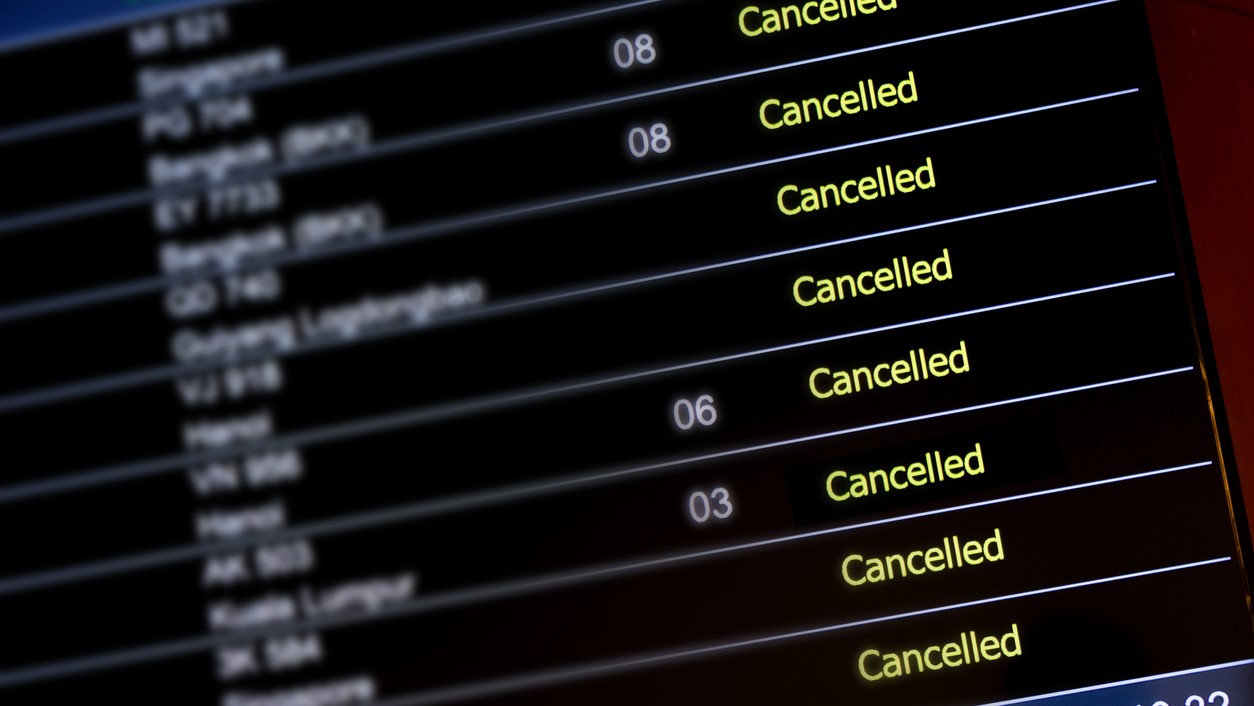
Inbound and outbound medical travel to and from Belarus, Moldova, Russia and Ukraine have mostly ceased except for victims of war. The closure of European air space around the region is already hitting general tourism and will have an impact on medical tourism on some countries for months or even years ahead.
Medical travel flow for countries directly involved
Ukraine’s plans to promote inbound medical tourism in 2022 are gone, and elective medical travel to and from the country has ceased.
According to the Ukrainian Association of Medical Tourism (UAMT) 2018 and 2019 both saw 65,000 medical tourists visit Ukraine. These were estimates rather than actual numbers and are probably too high. UAMT also claims 160,000 patients left Ukraine for treatment in 2018.
Inbound medical travellers mostly came from Russia and Europe, including the UK, Italy, Spain, Sweden, and France. Ukrainian patients went to Germany, Israel, Poland and Turkey.
While medical tourism into Russia continues, whether people will want to, or be allowed to by their countries, or can even travel or pay, are open questions. Inbound numbers will certainly fall dramatically.
The Russian Association of Medical Tourism (RMTA) claims that 200,000 medical tourists came to Russia in 2017, while the government claimed 300,000 for 2018.
The Ministry of Healthcare figure is for international patients, which include travellers and others who became ill or injured while on holiday or business in Russia, plus international students and expatriates working in the country. In addition, many countries using figures for Russia are not just referring to the Russian Federation, but include countries that used to be part of the USSR that are now independent but where the main language is Russian.
RMTA states that inbound medical tourists are from:
- CIS countries (10 former Soviet countries) – 73%
- Baltic states 13%
- Europe 10%
- USA 4%
While medical travel from some CIS countries may continue, it has ceased from the European Union, UK and the USA, while for Baltic states it will depend on whether they side with Russia or the European Union.
The flow of outbound Russian patients has been falling in recent years. This is due to the exchange rate, politics, unscrupulous medical tourism agents, and inflated prices. Figures vary but could be as high as 50,000.
For citizens from the European part of Russia, the most popular destinations for outbound medical tourism are Israel (45% of medical tourists were once from the Russian Federation) and Germany (35%). In third place, it used to be Turkey. Residents of the Far Eastern part of Russia prefer Korea, China, Thailand and Japan.
Constraints for Russia’s medical travel
It is becoming almost impossible for medical tourists to travel to or from Russia.
Russians cannot travel on European planes and Russian planes are banned from much of European air space. The only European air corridor left open to Russia is via Serbia, which is now acting as a gateway. Thousands of Russians abroad have been affected by airline cancellation and payment problems.
The suspension of financial services by banks, credit card companies and bans on Russian banks by international payment system SWIFT means that many Russians cannot pay for travel, accommodation or treatment.
Russians can no longer use Visa or Mastercard credit or debit cards. They may however be able to use cash or UnionPay credit cards issued by a Chinese financial services company.
Wider regional impact
Moldova
Air space above Moldova has closed which will hit inbound and outbound medical tourism. The country gets a few medical tourists from Romania while outbound medical tourism is to Russia and the EU.
Israel
In recent years one of the mainstays of Israel’s inbound medical tourism industry was large numbers of Russians. Evidence suggests that numbers have fallen dramatically and are unlikely to increase. Some of this is also due to problems in Israel.
Israel has so far avoided sanctioning Russia and Russians, but being heavily dependent politically and for arms on the USA, it is now under immense USA pressure to join the sanctioning countries.
An armed conflict could also have repercussions for Israel’s domestic politics, with the country being home to over 500,000 Ukrainian ex-pats and over 400,000 Russian immigrants.
Israel has a unique problem in that it has a border with Syria, which is heavily backed by Russia, so cannot risk being too anti-Russian. If it comes to a choice of supporting Russia or the USA, Israel may side with the USA as it relies on the USA for weapons.
Germany
Many Russian patients used to go to Germany. Russian medical tourism has now ceased and the country is offering free healthcare to injured Ukrainians.
Cyprus
Russian and Ukrainian tourists are estimated to make up over a fourth of the total tourist numbers coming into Cyprus every year, with an estimated loss of 800,000 tourists as a result of travel restrictions imposed on Russia across Europe. Some of these would have been medical tourists.
Thailand
Thailand may have to lower its targets for tourist arrivals and revenues this year because of the knock-on effects of the war on global travel of rising oil prices and inflation. While the country normally gets tourists and a few medical tourists from Russia, there are concerns that the extra costs could hit inbound European tourism and medical tourism.
Poland
Poland has made it clear that it is open for tourism and medical tourism, but with Russian attacks just across the border, fears of intentional-accidental attacks on Poland are increasing. Numbers of inbound medical tourists are likely to drop.
Hungary
Hungary is reporting that tourists from Russia and Ukraine have virtually disappeared from the country. It is also seeing bookings decrease, including in its spa towns, from wider groups of people who now fear to come to Hungary because of its proximity and shared border with Ukraine.
Tunisia
Tunisia will be also hit, due to the importance of the Russian market for their tourism. In 2019, the country had 630,000 Russian tourists and 30,000 Ukrainians. With Tunisia seeking to get back into the cosmetic surgery tourism market, the loss of both nations will hit medical tourism in a small way.
Turkey
Turkey had initially expected to welcome 9 million Russian and Ukrainian tourists in 2022, but most bookings from both countries been cancelled and the same is probable for medical tourism. Visitors from Ukraine and Russia made up over a quarter of all tourists who arrived in Turkey last year.
Turkey had been active in seeking Russian medical tourists, but will it risk annoying the EU by encouraging customers from Russia?
Despite being a NATO member, Turkey has so far not sanctioned Russia and unlike many other countries, it has not closed its airspace to Russian planes. It argues that sanctions will not help Ukraine, but in reality, it is more concerned with its own economy. Russian warships arriving on the coast might up the pressure.
For political and economic reasons Turkey is unlikely to ban inbound or outbound travel with Russia unless EU pressures on trade and politics is seen as more important than links with Russia.
Greece
Greece is among the countries that may be impacted by the Russia-Ukraine crisis but to a lesser extent due to a relatively small dependence on the Russian market.
UK
A group of Ukrainian children have arrived in the UK to undergo free life-saving cancer treatment on the NHS.
UAE/Dubai
The UAE is not applying sanctions so is still welcoming Russian tourists and medical tourists, and Russian airlines.
China
Russia has called on help from China for arms and help to avoid sanctions but as yet China has not agreed for or against.
China may feel that the short-term risk/reward ratio of supporting Russia against Europe and the USA is not beneficial, and in the longer term could see that a weakened Russia would help Chinese long-term plans for Asia and Africa.
Indirect effects
Trade discussion at the recent ITB Berlin suggested that there would be limited direct results on global travel from the Ukraine invasion. A minority believed there will be direct reduction in travel numbers in many European cities, both those near the conflict and a more direct reduction in EU and other residents going to any country openly supporting Russia.
The latest data from ForwardKeys reveals that the Russian invasion of Ukraine has caused an immediate stall in flight bookings to Europe. It compared flight bookings in the week following the invasion, February 24th-March 2nd, to the previous seven days. Excluding Ukraine and Moldova, which closed their air space, and Russia and Belarus, which were subjected to flight bans and safety warnings, the destinations worst affected were generally those closest to the conflict. Bulgaria, Croatia, Estonia, Georgia, Hungary, Latvia, Lithuania, Poland, Slovakia and Slovenia all saw a 30-50% collapse in bookings. This will have an immediate impact on inbound and outbound European medical tourism.
Longer term, international travel for Russians will be difficult as support for Western-built airline aircraft in Russia is withdrawn. Boeing and Airbus, Russia’s main suppliers of commercial aircraft have cut Russian airlines off from access to spare parts for their planes. Russian airlines’ planes are largely owned by leasing companies in the West. Under European sanctions, leasing companies have until March 28 to terminate their contracts with Russian carriers. Several leasing firms have written to their Russian customers seeking the return of their aircraft, although in reality they will not get paid and will not get the aircraft back. Russia has cancelled all aircraft leases, effectively seizing 500 commercial aircraft in Russia.
Perhaps a more significant driver will be the direct impact on people’s pockets from the significant rises in energy, oil and petrol prices and the knock on effect on food costs. According to Oxford Economics the escalation in the Russia-Ukraine conflict will hit the Eurozone economy mainly via higher energy prices. The impact on each European economy will depend on their degree of energy dependence, direct trade, and financial links with Russia. Some suggest this will reduce outbound travel; others are more optimistic in expecting people to travel but look for cheaper destinations.
There remains a major customer knowledge research gap on how medical tourists respond to global crises, price rises, economic uncertainty, political fears and perceived safety.
Long- term effect on medical travel
How long Russian travel and medical travel remains on hold will depend not only on how long the war in Ukraine lasts but also the time it takes for the Russian state to be rehabilitated in the eyes of other countries. States and businesses that have had significant commercial losses due to the invasion will not be keen on new Russian business for a while.
Much will also depend on whether or not the invasion escalates to a war between Russia and NATO countries, whether Russia uses chemical weapons or even nuclear strikes, and whether or not China actively supports Russia.
Medical tourism in Europe will be reduced in 2022, and global medical tourism will probably take a small hit.
COVID, plus Russian threats on energy, are combining to make countries more independent on food, energy and healthcare. There could be an upside from this situation for domestic medical tourism, local cross-border healthcare, remote services and international healthcare where hospitals go to the people, rather than medical tourists going to overseas hospitals.





 ©2026 All rights reserved LaingBuisson